
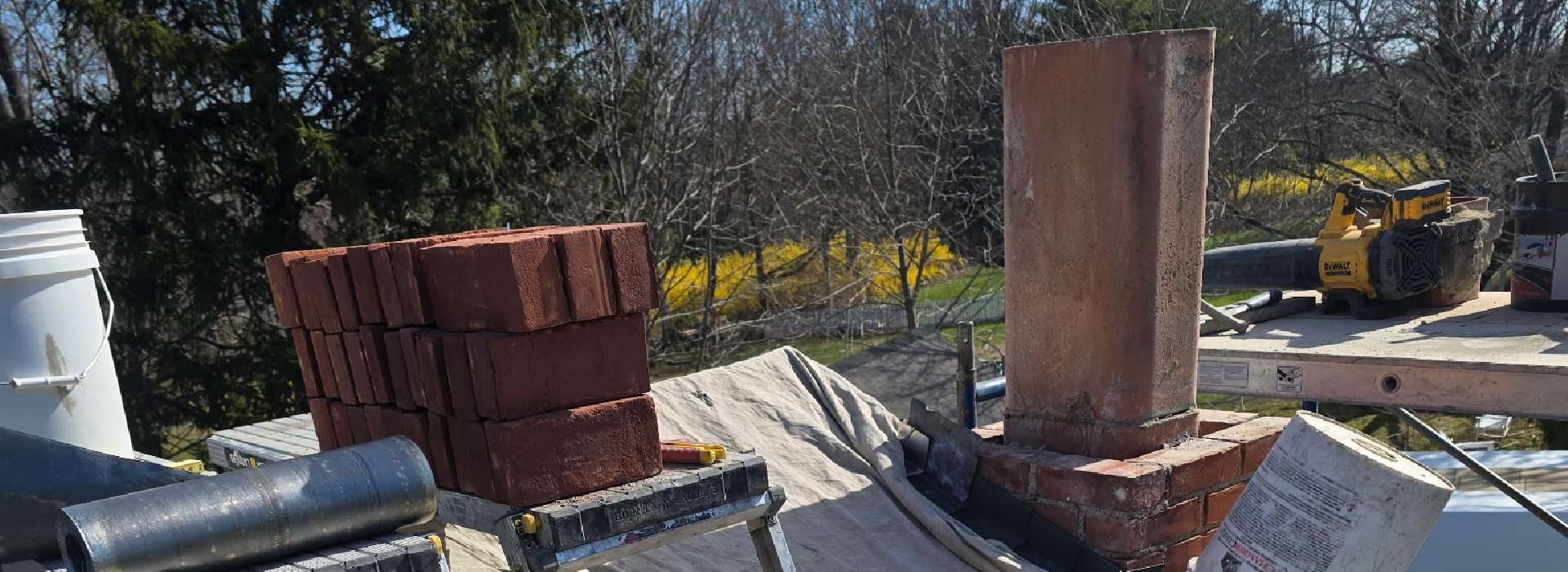
Summer is the best time for most chimney repairs and inspections because you’re not using the fireplace, appointment dates are usually easier to get than in fall, and warm, dry weather gives mortar and crown materials the conditions they need to cure properly. Booking in summer also leaves time to deal with anything unexpected before the next heating season.
When summer arrives in Connecticut, the fireplace drops off the to-do list. That’s exactly why it’s the time to fix the leak from March or the crumbling bricks you noticed after winter.
Why Is Summer the Best Time for Chimney Repairs and Inspections?
- You’re not using the fireplace. Repairs that take the chimney out of use for a few days don’t matter in July.
- Scheduling is easier. Fall is peak season for chimney companies. In summer you’ll usually have a wider choice of dates, and repairs aren’t squeezed in before the first cold night.
- The weather suits masonry. Mortar and crown materials need temperatures above about 40°F to cure properly. Connecticut’s winter rules most major masonry out, and spring is often too wet. Summer is the most reliable window.
- Time for surprises. An inspection sometimes uncovers more than expected, such as a damaged liner behind the leak you knew about. In summer there’s time to plan for it properly.
- Inspections are easier to act on. A summer inspection finds problems while there’s still time to fix them. An inspection in November may leave you with a list of repairs you can’t do until spring.
What Are the Benefits of Repairs in Summer Instead of Winter?
| When you book | Advantage | Downside |
|---|---|---|
| Summer | Open dates, good curing weather, time for surprises | Easy to put off because the fireplace isn’t in use |
| Fall | Problems are fresh in mind | Busiest season, less time before you need the fireplace |
| Winter | Urgent safety problems can be stabilized | Most permanent masonry work has to wait for warmer weather |
In winter, the cold limits what can be done. Mortar can’t cure properly, and a damaged chimney may sit through months of freeze-thaw before it’s repaired. Damage that’s left through another winter usually gets bigger, which is why repairs done in summer tend to be smaller and simpler than the same repairs done a year later.
What Chimney Maintenance Should You Do in Summer to Prepare for Heating Season?
Use summer to work through this list, so the fireplace is ready by fall:
- Book an annual inspection. It’s recommended once a year, and summer is a good time to do it.
- Get the chimney cleaned if the inspection says it’s needed. Creosote and soot should be removed before the next season.
- Fix repairs flagged last year. An open recommendation is the most common reason a chimney isn’t ready by fall.
- Repair masonry damage. Repointing, brick replacement and crown repair all suit warm weather.
- Check the flashing, cap and chase cover, and replace any that are damaged.
- Check for animal activity and deal with it before the fireplace is needed. Install or replace the cap if needed.
- Apply a breathable water repellent after masonry repairs are done and cured.
- Plan your firewood. Wood needs at least six months of seasoning, so buy and stack it in summer.
- Test your smoke and carbon monoxide alarms as part of your pre-season routine.
Repairs That Suit Summer Best
- Repointing crumbling mortar joints
- Replacing spalled or broken bricks
- Rebuilding or repairing the crown
- Replacing flashing where the chimney meets the roof
- Rebuilding the top section of a damaged chimney
- Installing a cap or chase cover
- Applying a breathable water repellent after masonry repairs are done
Leaks are the exception to “wait for summer.” If water is getting in now, have it diagnosed now, even if the permanent chimney leak repair is scheduled for drier weather.
Does Warm Weather Guarantee a Good Repair?
Not on its own. Very hot days and direct sun can dry mortar too fast, and summer thunderstorms can wash out fresh work. A good contractor will:
- Dampen the masonry before repointing so it doesn’t suck moisture out of new mortar
- Keep fresh mortar shaded and damp while it cures
- Cover the work if rain is forecast
- Reschedule rather than work in conditions that will harm the result
Ask how they protect the work during curing.
Repair First, Then Waterproof
A water repellent is a finishing step, not a fix. It can’t fill missing mortar, rebuild a cracked crown or replace a spalled brick. Applied over damage, it does little.
A breathable masonry water repellent, applied after repairs, can noticeably reduce how much water the chimney soaks up. The wrong product, such as paint or a non-breathable sealer, can trap moisture inside the brick and make spalling worse.
The right order is:
- Repair the damage.
- Let the new mortar cure.
- Apply a breathable repellent made for chimneys.
What Are the Advantages of Hiring a Chimney Repair Service in Summer?
- More choice of dates, and more flexibility if the weather forces a reschedule.
- More time with the technician. Without a rush of fall calls, there’s more room to explain the findings and the options.
- Time to compare quotes without pressure, and to get a second opinion on a large job.
- Time to fit the work around your plans, such as roof work or exterior painting.
- No pressure to settle for a temporary fix because the weather is turning cold.
What Should You Look for When Choosing a Company for Summer Chimney Repairs?
Line the quotes up by scope, not just price. Look for:
- Credentials. CSIA-certified technicians, a state license where it applies, and insurance. Ask for proof.
- Experience with the type of repair you need, such as masonry, crowns or flashing, and references or reviews you can check.
- A written estimate that explains what problem the repair is fixing, with photos.
- The materials, including the type of mortar for repointing.
- How much old mortar will be removed. A proper repoint grinds out damaged mortar, not just smears new mortar on top.
- What’s included, and what’s not.
- How the work will be protected while it cures.
- Warranty terms, in writing.
- Before-and-after photos when the job’s done.
The cheapest quote is only cheaper if it covers the same work. Be cautious of anyone who pushes you to decide immediately, quotes a repair without inspecting, or suggests a coating when the real problem is a crack or a leak.
Frequently Asked Questions
Why is summer the best time for chimney repairs and inspections?
You’re not using the fireplace, appointment dates are usually easier to get, warm dry weather lets mortar and crown materials cure properly, and there’s time to deal with anything an inspection uncovers before heating season.
What are the benefits of scheduling chimney repairs during the summer instead of winter?
In summer, mortar can cure properly, you have more choice of dates and the work isn’t rushed. In winter, cold weather limits what can be done, so most permanent masonry repairs have to wait for warmer weather.
What chimney maintenance should homeowners do in summer to get ready for heating season?
Book an annual inspection, clean the chimney if needed, complete any open repairs, repair masonry damage, check the cap and flashing, deal with animals, apply a breathable water repellent after repairs, and season your firewood.
What are the advantages of hiring a chimney repair service in summer?
More choice of dates, more time with the technician, time to compare quotes, and no pressure to accept a temporary fix because the weather is turning cold.
What should I look for when choosing a company for summer chimney repairs?
CSIA-certified technicians, proper licensing and insurance, a written estimate with photos, details of the materials and mortar, a clear scope, a plan for protecting the work while it cures, and a written warranty.
Are chimney repairs cheaper in summer?
Not necessarily. Prices depend on the materials, labor and the size of the job. The real savings come from fixing damage before another winter of freeze-thaw makes it bigger.
How soon can I use the fireplace after masonry repairs?
It depends on the repair. Your contractor should tell you how long the new mortar or crown needs to cure before you light a fire. With summer repairs, it rarely matters because the fireplace won’t be in use anyway.
Do I still need a fall inspection after summer repairs?
Yes. Exterior repairs fix the outside of the chimney. The annual inspection covers the flue, liner and firebox too. Many homeowners book both in summer to get everything done in one season.
Plan Your Summer Chimney Repairs
Eversafe Chimney Experts repairs chimney masonry, crowns, flashing and caps for homeowners across Connecticut, including Bridgeport, Stamford, Hartford, New Haven. Our technicians are CSIA certified, licensed and insured, and we’ve served homeowners for 10 years. Our chimney inspection is $69 and covers up to a Level 2 inspection, and same-day service is available.
Call (860) 846-4458 to book your inspection or repair assessment.